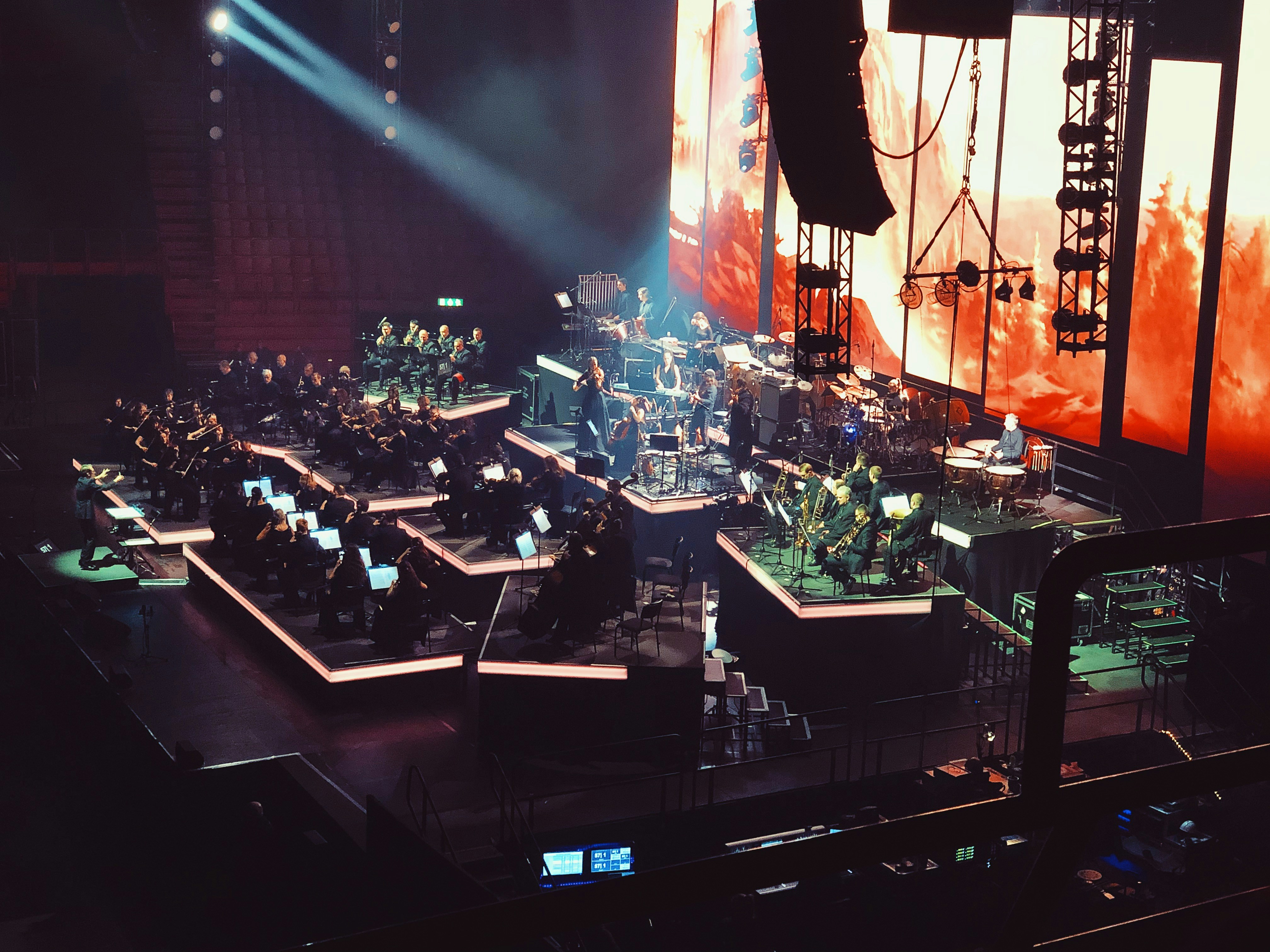
Introduction to World-Class Orchestras
Orchestras represent the epitome of collaborative artistry in the realm of classical music. They are meticulously organized ensembles that bring together a diverse array of instrumentalists, each proficient in their respective fields. The collective talent found within orchestras allows them to create intricate and harmonious soundscapes that resonate deeply with audiences. The significance of orchestras extends beyond mere performance; they are cultural institutions that reflect the values and artistic heritage of the societies they inhabit.
In an orchestra, musicians are typically divided into sections, including strings, woodwinds, brass, and percussion. This structure facilitates a rich tapestry of sounds, where each instrument contributes to a greater musical narrative. The conductor plays a crucial role in this dynamic, wielding the baton to guide and unify the musicians, ensuring that their individual strengths meld into a cohesive performance. The result is a unique auditory experience that can evoke a range of emotions, from joy to melancholy, and everything in between.
Orchestras have consistently held cultural importance across the globe, serving as platforms for both the performance of classical masterpieces and the commissioning of new works. They play a vital role in preserving the traditional repertoire, while also pushing the boundaries of contemporary composition. Furthermore, orchestras contribute to the education and development of future musicians, providing valuable opportunities for aspiring artists to learn and grow within a collaborative environment.
As we explore the best orchestras in the world, it is essential to acknowledge their unwavering commitment to excellence. These ensembles have earned their places among the greatest, captivating audiences with their extraordinary talent and artistic vision. Understanding the foundational roles orchestras play in classical music will enhance our appreciation of the specific ensembles that are regarded as the world’s finest.
Criteria for Selecting the Best Orchestras
Determining the best orchestras in the world requires a comprehensive analysis of various criteria that contribute to their overall excellence. One primary factor is musical excellence, which encompasses the orchestra’s ability to deliver high-quality performances consistently. This includes elements such as intonation, rhythm, and ensemble cohesion, where a coherent sound not only reflects the skill of individual musicians but also their ability to work harmoniously as a unit.
Another significant aspect is historical significance. Established orchestras often have a rich legacy, having played a vital role in the development of classical music and, in some instances, the broader context of cultural history. The impact an orchestra has had over the years, including the premiere of essential works, aids in distinguishing those orchestras of considerable renown and respect.
Repertoire diversity is equally important. The best orchestras not only perform classical standards but also explore a wide range of genres and styles. Their ability to engage with contemporary compositions and undertake innovative projects reflects their versatility, ensuring that they reach a broader audience while contributing to the evolution of orchestral music.
Recordings and public presence further enhance an orchestra’s reputation. A well-documented discography capturing high-quality performances allows both critics and audiences to appreciate their artistry beyond the concert hall. This is complemented by the orchestra’s ability to attract and collaborate with top-tier conductors and soloists, as these partnerships can significantly elevate an orchestra’s profile and performance quality.
In conclusion, the evaluation of the best orchestras incorporates not only factors of musical excellence but also historical significance, repertoire diversity, recorded legacy, and collaborations with leading artists. Each of these criteria contributes to a well-rounded perspective in ranking the world’s greatest ensembles.
1. Berlin Philharmonic
The Berlin Philharmonic, established in 1882, is widely regarded as one of the premier orchestras in the world, renowned for its rich sound and technical excellence. The ensemble has garnered a formidable reputation through its innovative performances and commitment to musical artistry. A defining characteristic of the Berlin Philharmonic is its unique concert hall, the Philharmonie, which is noted for its exceptional acoustics and architectural brilliance. This venue has played host to numerous landmark performances that have left a lasting impact on the classical music scene.
Throughout its history, the Berlin Philharmonic has been led by a remarkable roster of conductors. Figures such as Herbert von Karajan, who served as chief conductor from 1955 to 1989, significantly influenced the orchestra’s sound and direction. His tenure is marked by an extensive recording legacy that continues to resonate with audiences today. More recent conductors, such as Sir Simon Rattle and Kirill Petrenko, have also added their own unique styles and interpretations, further solidifying the orchestra’s standing in the global music community.
The Berlin Philharmonic has received numerous accolades, including prestigious awards for its recordings and concerts. Notably, the orchestra’s commitment to music education is exemplified through initiatives like the educational program, which aims to inspire young musicians and cultivate a deeper appreciation for classical music. This focus on community and education helps ensure an enduring legacy for the orchestra. As a perennial favorite in discussions of the best orchestras, the Berlin Philharmonic remains at the forefront of the classical music world, continually pushing the boundaries of creativity and musicianship.
Vienna Philharmonic
The Vienna Philharmonic Orchestra, established in 1842, is widely recognized for its rich cultural heritage and exceptional musical artistry. Renowned for delivering a traditional orchestral sound, the orchestra is closely associated with Austrian musical traditions, particularly in the realm of waltzes and operatic performances. Its unique role in the music world is further highlighted through its exceptional ability to blend drama with melody, thus creating memorable concert experiences that resonate with audiences globally.
One of the defining features of the Vienna Philharmonic is its prestigious concert series, notably the New Year’s Concert. This annual event, which captivates millions of spectators worldwide, showcases the orchestra’s remarkable interpretation of classical repertoire, particularly the works of the Strauss family. It consistently attracts high-profile guest conductors and musicians, ensuring that the concert remains one of the most anticipated events in the classical music calendar. Additionally, the orchestra performs at the Vienna State Opera, contributing significantly to the city’s rich operatic landscape.
The Vienna Philharmonic’s long-standing reputation for excellence is built on a foundation of rigorous training and a deep commitment to musical authenticity. Musicians of the orchestra are typically selected from the ranks of the Vienna State Opera, maintaining a tradition of excellence that has been upheld for generations. Their performances are characterized by a sound that is at once lush and transparent, allowing each instrument’s voice to shine while maintaining a cohesive ensemble sound. Moreover, the orchestra’s engagement with contemporary works continues to affirm its status as one of the best orchestras in the world. By honoring both its classical roots and embracing modernity, the Vienna Philharmonic remains a cornerstone of global cultural delight and artistic innovation.
Royal Concertgebouw Orchestra
The Royal Concertgebouw Orchestra (RCO), established in 1888 in Amsterdam, is renowned for its exceptional musicianship and its contributions to both classical music and contemporary compositions. The orchestra performs at the renowned Concertgebouw concert hall, which is celebrated for its unparalleled acoustic qualities. The design of the hall is strategic, enhancing the orchestra’s sound and allowing audiences to experience performances with remarkable clarity and depth. This unique environment positions the RCO as one of the premier orchestras globally.
Over the years, the Royal Concertgebouw Orchestra has built a rich history of innovative programming and world-class performances. The ensemble has been led by many influential conductors, adding distinctive interpretations to the classical repertoire while consistently delivering thrilling performances of traditional works. The orchestra is also known for its commitment to commissioning new works from contemporary composers, thus bridging the gap between classical traditions and modern expressions. Through these endeavors, the RCO remains dedicated to expanding the orchestra’s repertoire while advocating for the importance of contemporary classical music.
The orchestra’s relationship with contemporary composers is particularly noteworthy. Renowned modern musicians often find inspiration in the RCO’s unique sound, resulting in collaborations that have further strengthened the orchestra’s reputation. This commitment to innovation does not overshadow the Royal Concertgebouw Orchestra’s dedication to classical masterpieces; instead, it complements their mission to showcase the full spectrum of orchestral music.
In conclusion, the Royal Concertgebouw Orchestra exemplifies excellence in orchestral performance, combining rich historical roots with a forward-thinking approach. Its celebrated acoustic hall and imaginative programming ensure that it remains a vital force in the landscape of the world’s greatest orchestras.
4. London Symphony Orchestra
The London Symphony Orchestra (LSO) stands as a paragon in the world of orchestral music. Founded in 1904, this esteemed ensemble has cultivated a versatile repertoire that spans an impressive range of musical styles and genres. Renowned for its commitment to innovation, the LSO consistently explores new musical horizons, making it a favorite among both traditional classical music aficionados and contemporary audiences alike.
One of the notable aspects of the LSO is its pioneering contributions to film music. The orchestra has been deeply involved in the recording of soundtracks for some of the biggest cinematic blockbusters. Collaborating with prominent composers, the LSO has lent its dynamic and rich orchestration to various films, adding emotional depth and sophistication to the cinematic experience. This engagement with the film industry has not only expanded the reach of the orchestra but has also introduced a new audience to classical music.
In addition to its extensive work in film, the London Symphony Orchestra is distinguished by its collaborations with renowned artists across the globe. The ensemble’s concerts often feature celebrated soloists and conductors, further enriching its performances. These partnerships highlight the orchestra’s commitment to artistic excellence and innovation, ensuring that each performance remains fresh and captivating.
Furthermore, the LSO is known for its presence in recording studios, where it has produced a vast discography that showcases its versatility and talent. This dedication to producing high-quality recordings reflects the ensemble’s status as one of the best orchestras in the world. Through these multifaceted contributions, the London Symphony Orchestra continues to affirm its vital role in the evolution of classical music, connecting with diverse audiences and inspiring future generations of musicians.
5. Chicago Symphony Orchestra
The Chicago Symphony Orchestra (CSO) is widely recognized for its powerful sound and exceptional technical precision, solidifying its place among the best orchestras in the world. Founded in 1891, the CSO has cultivated a rich tradition that not only showcases classical music but also represents a significant pillar of the cultural landscape in Chicago.
Under the direction of various renowned conductors, including Georg Solti and Daniel Barenboim, the orchestra has consistently pushed the boundaries of orchestral performance. The CSO has garnered numerous accolades, including multiple Grammy Awards for its recordings. These recordings have been pivotal in spreading its influence beyond the United States, showcasing its artistic excellence to audiences around the globe. Notable performances of orchestral works by composers such as Mahler, Strauss, and contemporary composers demonstrate the orchestra’s versatility and willingness to explore different musical styles.
The Chicago Symphony Orchestra is also committed to educational outreach and community engagement, making a significant impact on the American music scene. Through initiatives such as the CSO Institute, the orchestra provides training and resources for young musicians, ensuring the future of classical music remains vibrant and accessible. Their performances not only resonate with experienced concertgoers but also attract new audiences, fostering a love for orchestral music.
In recent years, the CSO has embraced innovative programming, including collaborations with diverse artists and integration of multimedia elements into performances. This adaptability and dedication to engaging audiences set the Chicago Symphony Orchestra apart. Its continued excellence and influence affirm its place as one of the top orchestras in the world, contributing to the rich tapestry of global classical music.
6. Los Angeles Philharmonic
The Los Angeles Philharmonic (LA Phil) stands as a beacon of modernity within the classical music landscape, often distinguished for its innovative approach to performance and community engagement. Established in 1919, the orchestra has evolved significantly, reflecting the dynamic culture of Los Angeles. Under the artistic leadership of renowned conductors such as Gustavo Dudamel, the LA Phil has pushed the boundaries of traditional orchestral music, integrating it with contemporary influences and diverse musical genres.
One of the hallmarks of the Los Angeles Philharmonic is its commitment to innovative programming. The orchestra regularly features works by contemporary composers alongside classical masterpieces, ensuring that audiences experience a rich tapestry of musical expression. This forward-thinking philosophy not only honors the past but also paves the way for future generations of musicians and composers. The LA Phil’s Zodiac Festival and other similar initiatives spotlight emerging talent and challenge the conventional norms of orchestral performances.
In addition to its dynamic concert offerings, the Los Angeles Philharmonic places a strong emphasis on community outreach through various programs designed to make classical music accessible to a broader audience. Initiatives such as the “YOLA” (Youth Orchestra Los Angeles) program inspire young musicians from underserved communities, providing them with opportunities to learn and perform alongside professional artists. This dedication to education and inclusion is a testament to how the LA Phil seeks to engage and uplift the community, recognizing the transformative power of music.
Moreover, the orchestra’s home, the Walt Disney Concert Hall, designed by Frank Gehry, serves as a symbol of the LA Phil’s modern ethos. This architectural marvel not only enhances the acoustic experience but also stands as a testament to the orchestra’s commitment to fostering creativity and innovation within the arts. Through its artistic vision and community initiatives, the Los Angeles Philharmonic remains a pivotal force among the world’s best orchestras, showcasing the vitality and relevance of classical music in today’s cultural landscape.
7. Boston Symphony Orchestra
The Boston Symphony Orchestra (BSO), established in 1881, is renowned for its exceptional artistry and rich history, marking a significant contribution to the American orchestral tradition. Based in Boston, Massachusetts, the orchestra has built a legacy characterized by its dedication not only to performance but also to education and community engagement. The BSO plays a pivotal role in shaping the cultural landscape of America through various initiatives that promote classical music to diverse audiences.
Throughout its history, the BSO has hosted numerous significant concerts, showcasing works from both classical and contemporary composers. The orchestra is particularly noted for its performances of orchestral masterpieces, and its collaboration with world-class conductors and soloists has drawn attention on both national and international scales. The BSO’s prestigious concerts at Symphony Hall in Boston are often sold out, reflecting its status as one of the leading orchestras in the world.
Additionally, the Boston Symphony Orchestra is closely associated with the Tanglewood Music Festival, which serves as its summer home. Founded in 1937, Tanglewood has become a prominent venue for music lovers, hosting performances that feature both the BSO and guest artists. This festival not only enriches the musical community but also enhances educational opportunities through master classes and workshops, further solidifying the orchestra’s commitment to fostering the next generation of musicians.
Moreover, the BSO emphasizes accessibility through its various outreach programs, aiming to introduce classical music to a broader audience. With a strong educational component, the orchestra seeks to cultivate appreciation and understanding of orchestral music among young people and communities throughout Massachusetts and beyond. The Boston Symphony Orchestra’s dedication to excellence, education, and community service exemplifies its importance as one of the best orchestras in the world.
Conclusion: The Enduring Legacy of Orchestras
The significance of the world’s greatest orchestras transcends mere musical performance; they serve as vital custodians of cultural heritage and artistry. The orchestras discussed not only showcase the technical proficiency and emotional depth of their musicians but also embody the rich traditions that have shaped classical music over the centuries. In a world undergoing rapid changes, these ensembles stand as bastions of artistic expression, preserving the lineage of orchestral performance for current and future generations.
Each orchestra is a unique tapestry woven from the threads of diverse musical styles, cultural backgrounds, and historical contexts. The legacies of these institutions are palpable in their ability to connect audiences with timeless compositions, fostering a collective appreciation for the depths of human emotion and creativity. By bringing the works of great composers like Beethoven, Mahler, and Tchaikovsky to life, they inspire both musicians and listeners to explore the vast landscape of classical music, encouraging innovation while respecting tradition.
Moreover, the best orchestras often engage in outreach and educational programs, serving to inspire younger audiences and aspiring musicians. Through workshops, live performances, and community initiatives, they illuminate the importance of orchestral music in enriching lives and developing musical talents. This connection to the future ensures a continuous flow of inspiration and evolution in the world of classical music.
Ultimately, the enduring legacy of the world’s finest orchestras lies in their ability to adapt while remaining steadfast in their mission to elevate the human spirit through music. They provide a reflective space where individuals from diverse backgrounds can come together, fostering a sense of unity through the shared experience of orchestral performances, and ensuring that the art form continues to thrive in an ever-changing landscape.