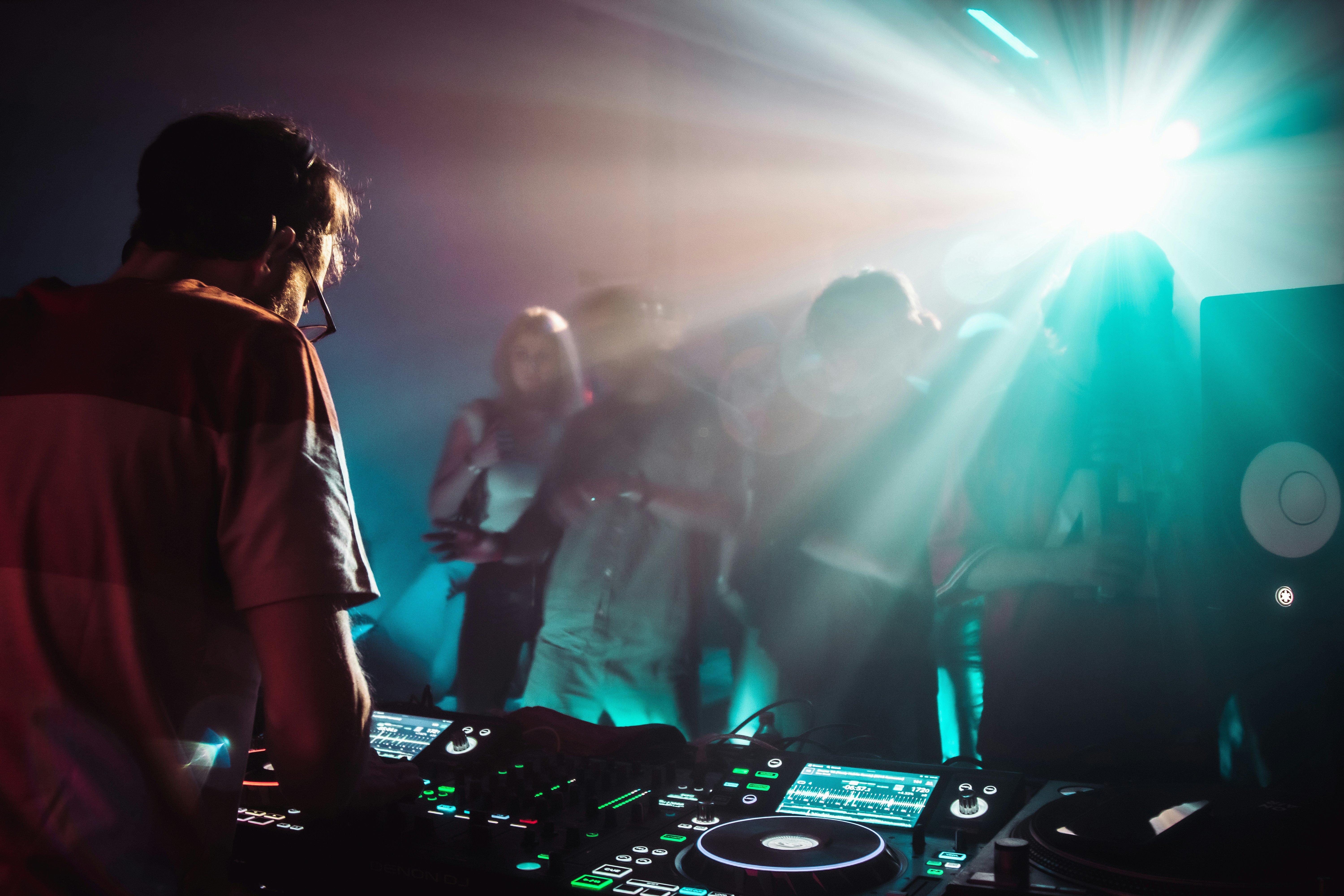
Introduction to EDM
Electronic Dance Music (EDM) has captivated audiences worldwide, becoming a defining genre of contemporary music. With roots that can be traced back to the 1970s disco era, the evolution of EDM reflects a blend of various musical influences, including techno, house, and trance. As these genres developed, they laid the foundation for the synthesized beats and melodies that characterize EDM today.
The rise of EDM is firmly linked to technological advancements in music production and the proliferation of digital platforms. These developments have allowed producers to create complex soundscapes and experiment with an array of electronic instruments, fundamentally altering the music industry’s landscape. Over the past few decades, EDM has garnered immense popularity, sweeping through international clubs, music festivals, and mainstream radio stations. Events like Tomorrowland and Ultra Music Festival illustrate the genre’s widespread appeal, drawing thousands of fans eager to experience the infectious energy of live electronic performances.
Additionally, the integration of social media has played an instrumental role in popularizing EDM. Platforms such as SoundCloud and YouTube have allowed artists to share their work with a global audience, enhancing fan engagement and encouraging niche sub-genres to flourish. As a result, distinct styles within EDM, such as dubstep and progressive house, have emerged, reflecting the genre’s dynamic and ever-evolving nature.
In summary, EDM represents not just a musical genre but a cultural movement that encapsulates the spirit of electronic music innovation. As we delve deeper into its defining characteristics, influence, and community, a more comprehensive understanding of EDM’s impact on the global music scene will become apparent.
The Origins of EDM
Electronic Dance Music, commonly known as EDM, emerged as a distinct genre in the late 1970s and early 1980s, reflecting a cultural shift in music consumption and production. The roots of EDM can be traced back to various influential genres, primarily disco and synth-pop, which provided a fertile ground for experimentation with electronic sounds. Disco, characterized by its upbeat tempo and four-on-the-floor beats, played a significant role in shaping early electronic music experiences. This genre laid the groundwork for rhythm-centric electronic tracks that would later characterize EDM.
During this transformative period, pioneering artists such as Giorgio Moroder and Kraftwerk began to adopt synthesizers, drum machines, and other electronic instruments to create innovative sounds that deviated from traditional music forms. Kraftwerk, in particular, is often credited as a significant influence on the EDM landscape, with their robotic sounds and concepts of technology deeply integrating into music, paving the way for future electronic genres.
As the 1980s progressed, the technological advancements in music production equipment further revolutionized the industry. With the introduction of affordable synthesizers and drum machines, aspiring musicians and producers gained access to tools that allowed them to compose complex electronic music tracks from the comfort of their home studios. This democratization of music production fuelled a burgeoning subculture of electronic music, which laid the foundation for various EDM subgenres like house, techno, and trance.
By the late 1980s, with the rise of raves and underground dance parties, the genre began to gain mainstream attention. The cultural significance of these gatherings highlighted the growing influence of electronic music on youth culture. EDM continued to evolve throughout the 1990s and into the 2000s, reflecting changes in society and technology, ultimately leading to its current global phenomenon status.
Characteristics of EDM
Electronic Dance Music (EDM) is a vibrant genre that encompasses a range of musical styles characterized by its distinct features. One of the primary characteristics of EDM is its tempo, which typically ranges from 120 to 150 beats per minute. This fast-paced rhythm is conducive to dancing, making it a popular choice in nightclubs and festivals. While the general tempo is consistent, subgenres of EDM can have varying speeds that contribute to their unique sound dynamics.
The structure of EDM tracks often follows a typical format comprising an introduction, build-up, drop, breakdown, and conclusion. This format helps create an exhilarating experience, as it builds anticipation during the build-up, releases energy during the drop, and provides a contemplative moment in the breakdown. Such structuring not only facilitates danceability but also allows DJs to mix and transition between tracks seamlessly.
Instrumentation in EDM is predominantly electronic, utilizing synthesizers, drum machines, and samplers. The genre’s signature sounds often incorporate basslines and prominent lead melodies that drive the tracks forward. Additionally, vocal samples or full vocal performances can be integrated to enhance emotional resonance in the music. Different subgenres of EDM, such as house, techno, trance, and dubstep, each bring their own stylistic elements to the forefront. For instance, house music is characterized by its soulful vocals and four-on-the-floor beats, while techno features repetitive beats and darker soundscapes. Trance often emphasizes melodic phrases and builds tension with long, progressive elements, whereas dubstep incorporates heavy bass drops and syncopated rhythms.
In conclusion, the characteristics of EDM, from its tempo and structural elements to its diverse instrumentation and subgenres, contribute to its appeal and enduring popularity in the music industry. This genre continues to evolve, reflecting the creativity and innovation of its artists, making it a vital force in contemporary music culture.
The Cultural Impact of EDM
Electronic Dance Music (EDM) has significantly influenced global culture, permeating various aspects of society from music festivals to nightclubs and even social media. This genre has not only transformed the music landscape but also created a vibrant and dynamic community that thrives on shared experiences and collective enjoyment. One of the most notable manifestations of EDM’s impact is seen in the booming popularity of music festivals that celebrate this genre, such as Tomorrowland, Ultra Music Festival, and Coachella. These events gather thousands of fans under one roof, symbolizing unity and togetherness through the love of music.
In nightclubs worldwide, the rhythm of EDM has taken center stage, altering nightlife dynamics and creating immersive environments where individuals can connect through dance. The pulsating beats and innovative soundscapes generate an atmosphere that encourages self-expression and inclusivity, thereby attracting a diverse audience. Within these spaces, attendees often form strong social ties, celebrating a sense of belonging that transcends geographical boundaries. The communal experience of dancing to EDM fosters a culture that emphasizes acceptance and camaraderie.
Furthermore, the rise of social media has played a pivotal role in promoting EDM culture. Platforms such as Instagram, TikTok, and Facebook allow fans and artists to engage, share memories, and highlight moments that encapsulate the joy of live performances. The viral nature of social media has enabled many up-and-coming DJs and producers to gain recognition and connect with a global audience. In essence, EDM’s cultural impact is profound, as it cultivates inclusivity, unity, and a celebration of artistic expression, thereby marking its place as a significant phenomenon in contemporary society.
Famous EDM Artists and Their Contributions
Electronic Dance Music (EDM) has been shaped by numerous influential artists whose innovations and creativity have propelled the genre into the global spotlight. Among these artists, Tiësto, Calvin Harris, and Skrillex stand out for their distinct contributions and enduring impact on the music landscape.
Tiësto, a pioneer in the EDM scene, is known for his exceptional ability to meld various electronic music styles. With a career spanning over two decades, his influence began with trance music and evolved to include house and progressive genres. His performances, characterized by an interactive energy, have redefined live electronic shows. Tiësto’s achievements include a Grammy Award and numerous accolades, demonstrating his significant role in popularizing EDM on an international scale.
Calvin Harris is renowned not only as a DJ but also as a prominent producer and songwriter. His distinctive blend of electronic beats with pop sensibilities has contributed to vast commercial success, producing numerous chart-topping hits. Collaborations with mainstream artists have helped bridge the gap between EDM and popular music, making his sound widely accessible. Harris’s innovative approach to music production and streaming has positioned him among the highest-earning DJs, illustrating the commercial viability of EDM.
Skrillex emerged as a disruptive force in the EDM genre, particularly known for bringing dubstep to mainstream audiences. His high-energy beats and experiments with sound design have garnered critical acclaim and multiple Grammy Awards. Skrillex’s unique style, often featuring heavy bass drops and melodic hooks, has influenced a plethora of new artists emerging in EDM. His role in remixing and collaborating with diverse genres signifies a progressive cross-pollination within the music industry.
Each of these artists has contributed uniquely to the evolution of EDM, shaping not only the genre itself but also the broader music industry landscape. Their innovative styles and willingness to push creative boundaries continue to inspire both established and emerging musicians in this dynamic field.
The Rise of EDM Festivals
Over the past decade, Electronic Dance Music (EDM) has transitioned from underground clubs to the forefront of popular culture, contributing significantly to the rise of specialized festivals worldwide. Events such as Tomorrowland in Belgium and the Ultra Music Festival in Miami have become synonymous with EDM, attracting thousands of attendees from diverse backgrounds. These festivals are not only a celebration of music but also a showcase of vibrant culture and community, drawing fans who share a passion for rhythmic electronic beats.
The appeal of EDM festivals lies in their immersive experience. Attendees can expect to engage with a carefully curated lineup of top DJs and producers, each known for their unique sound and performance style. Festivals are renowned for their spectacular stage productions, featuring cutting-edge technology, elaborate light displays, and stunning visual effects that enhance the overall atmosphere. This integration of music and technology creates an unforgettable sensory experience that captivates the audience.
Moreover, the sense of community at EDM festivals plays a significant role in their popularity. These events often foster an inclusive environment where attendees can connect with like-minded individuals, transcending barriers of age, nationality, and background. The shared experience of dancing in unison to pulsating beats creates a bond among festival-goers, promoting a sense of belonging. Additionally, many festivals incorporate wellness activities, art installations, and food vendors, enriching the festival experience and providing attendees with a well-rounded event.
As EDM continues to gain traction globally, the proliferation of such festivals demonstrates the genre’s influence on modern music culture. With each festival presenting an opportunity for fans to unite and celebrate their love for EDM, the phenomenon shows no signs of slowing down, promising even more innovation and excitement in the years ahead.
Technology in EDM Production
The production of Electronic Dance Music (EDM) has evolved dramatically over the years, significantly influenced by advances in technology. At the core of this evolution are synthesizers, drum machines, and powerful digital audio workstations (DAWs) such as Ableton Live and FL Studio. These tools have transformed the landscape of music creation, enabling artists to produce complex sounds and intricate rhythms that define the genre.
Synthesizers, both analog and digital, are integral components in EDM, allowing producers to create rich soundscapes and unique tones. They generate audio signals that can be manipulated in various ways, offering enormous creative potential. From classic sounds reminiscent of the 1980s to cutting-edge, innovative effects, synthesizers serve as the backbone for many EDM tracks, delivering the distinctive sounds that captivate listeners.
Alongside synthesizers, drum machines play a crucial role in shaping the rhythmic foundation of EDM. These devices provide a range of percussive sounds and allow for programmable beats, making it easy for producers to experiment with different rhythms and tempos. This adaptability is essential in a genre that thrives on innovation and the blending of different styles.
The emergence of digital audio workstations (DAWs) has further revolutionized EDM production. Software like Ableton Live and FL Studio offers intuitive interfaces and an extensive array of features, empowering both novice and experienced producers to create music efficiently. With tools for recording, editing, and mixing, DAWs have democratized music production, allowing aspiring artists to produce high-quality tracks from their own home studios.
Lastly, the role of DJs and producers in the EDM scene cannot be understated. These individuals are not only responsible for crafting the music but also for curating the entire auditory experience at live performances. Their collaboration with technology enables them to blend various tracks seamlessly, engage with the audience, and enhance the live experience through creative mixing and editing.
The Future of EDM
The future of Electronic Dance Music (EDM) appears to be shaped by a plethora of emerging trends and technological advancements that promise to redefine the genre. One significant factor influencing the direction of EDM is the rapid evolution of sound technology. As new synthesizers, software, and production techniques become available, artists are provided with unprecedented tools to experiment and innovate, leading to a broader range of sonic possibilities. This continuous technological advancement not only enhances the creativity of established artists but also paves the way for upcoming producers who may become the next sources of groundbreaking EDM.
Additionally, the phenomenon of live performances is undergoing substantial transformations. Enhanced audio-visual experiences, including high-definition visuals, 3D mapping, and interactive elements, are becoming standard in live EDM shows. This evolution creates a more immersive environment for audiences, changing the way fans experience music. As EDM festivals and club nights embrace these advancements, the genre is likely to attract a broader audience that values not just the music but the entire sensory experience.
Furthermore, EDM’s influence on other musical genres is expected to deepen. Aspects of EDM are increasingly infiltrating pop, hip-hop, and even classical music, resulting in fascinating hybrid genres. This cross-pollination can lead to new subgenres that appeal to diverse audiences, ensuring that EDM remains relevant in the rapidly shifting music landscape. As artists continue to fuse various elements from EDM with other styles, the genre will evolve, maintaining its position as a significant driver of change within the music industry.
Conclusion
In conclusion, the journey through the vibrant world of Electronic Dance Music (EDM) highlights its evolution from niche underground scenes to a globally recognized phenomenon. This genre, characterized by its rhythmic beats and electronic sounds, has not only transformed the music industry but has also reshaped cultural landscapes worldwide. The historical development of EDM reveals a rich tapestry of influences drawn from various musical styles, making it a unique fusion that attracts diverse audiences.
As we have explored, EDM has roots that trace back to the late 20th century, influenced by genres such as disco, house, and techno. Its growth reflects broader sociocultural trends and technological advancements, illustrating the dynamic interplay between music and societal change. Moreover, the rise of festivals and events dedicated to EDM underscores its role as a social catalyst, fostering community and shared experiences among fans.
Looking to the future, EDM appears poised for further innovation and integration into mainstream culture. The advent of new technologies and changing consumer habits will likely shape the sound and delivery of EDM, presenting both opportunities and challenges for artists within the genre. Understanding EDM is crucial not only for music enthusiasts but also for cultural analysts, as it continues to influence and reflect societal trends.
In summary, Electronic Dance Music stands as a significant cultural force, deeply interwoven with modern social dynamics. Its past, present, and future are emblematic of a continually evolving landscape, inviting both appreciation and critical analysis of its impact on music and society as a whole.