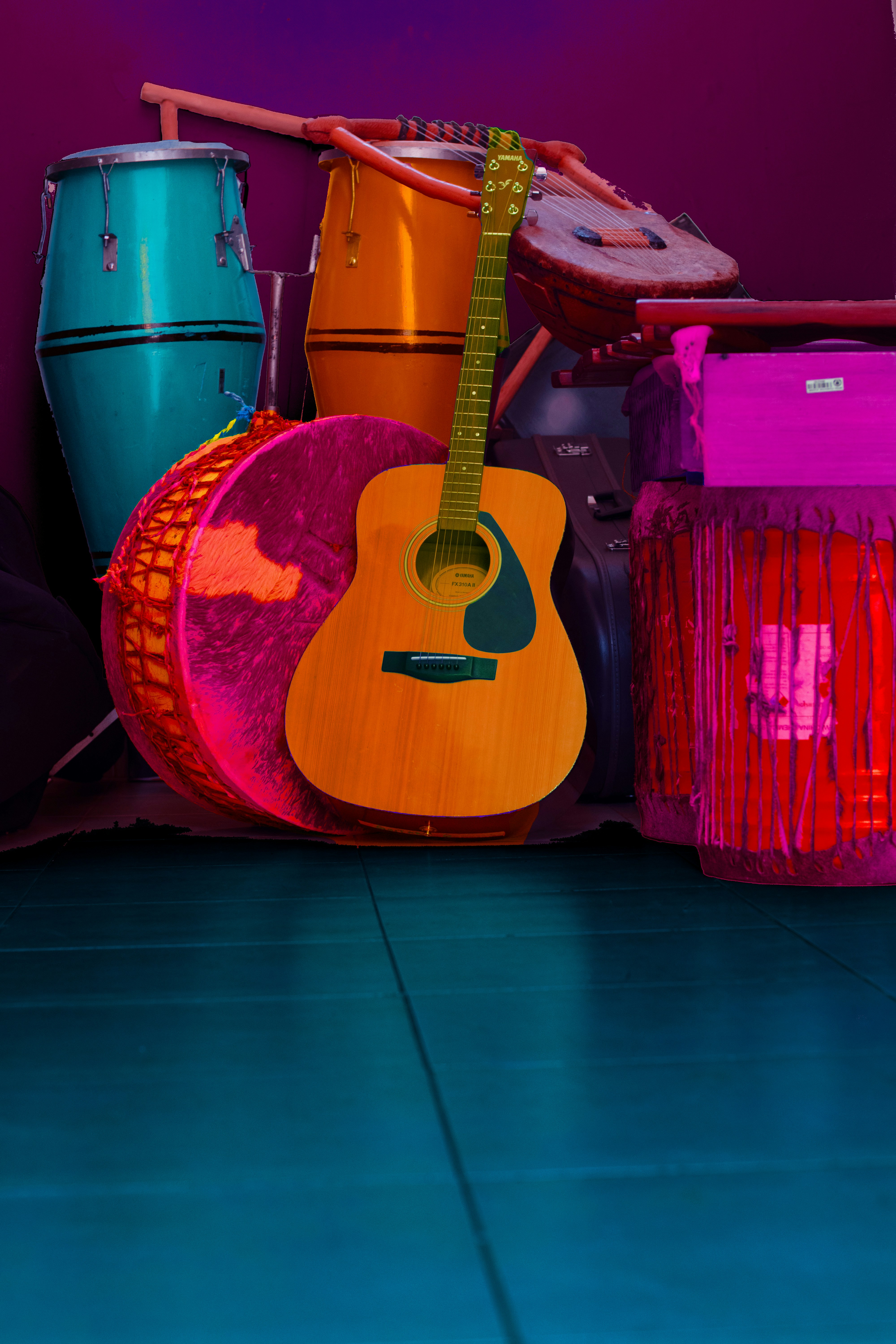
Introduction to Learning Music
Learning music presents an array of benefits that can significantly enhance an individual’s life. For beginners, embarking on a musical journey not only nurtures creativity but also enriches cognitive abilities. Engaging with music has been shown to enhance memory, attention, and even problem-solving skills. As individuals learn to play an instrument, they activate various areas of the brain that are responsible for processing auditory information, which contributes to improved learning capabilities in other academic subjects as well.
Moreover, music serves as a powerful emotional outlet. Many beginners find solace in expressing their feelings through melodies and rhythms. This emotional engagement can lead to improved self-esteem and resilience, especially when facing the challenges associated with learning a new skill. The act of creating or performing music allows individuals to cope with stress and anxiety, fostering mental well-being.
In addition to cognitive and emotional benefits, learning music also encourages social interaction. Playing an instrument can often lead to collaborations, whether in an ensemble, band, or casual jam sessions. This fosters teamwork and communication skills, creating opportunities for social bonding among musicians. By choosing the right instrument, beginners can unlock not only personal joy but also build connections with peers who share similar interests.
Choosing the best musical instrument for beginners is crucial for setting the stage for a rewarding musical experience. The right instrument can motivate learners to practice consistently and enjoy the learning process. With numerous options available, it is essential for each individual to consider their personal interests and the type of sound they wish to produce. Ultimately, learning music is a multifaceted process that enriches lives on various levels, making it an invaluable pursuit for anyone, particularly those just starting their journey.
Factors to Consider When Choosing an Instrument
Choosing the right musical instrument as a beginner is a pivotal step that lays the foundation for a fulfilling musical journey. There are several factors to consider to ensure that your choice aligns with your personal interests and goals.
Firstly, personal interest plays a crucial role. Aspiring musicians should reflect on their favorite music genres and consider which instruments commonly feature in that style. A passion for rock music may lead one to favor electric guitars, while a love for classical compositions might steer them toward the piano or violin. Identifying a personal connection to the instrument can significantly enhance motivation and enjoyment during practice.
Physical requirements cannot be overlooked either. Different instruments have unique dimensions, weights, and playability factors that may influence overall comfort. For instance, young children or individuals with smaller hands may find it cumbersome to play larger instruments, such as a tuba or cello. Assessing both the physical capability and size of an instrument can prevent frustration and encourage a conducive learning environment.
Portability is another essential factor. Beginners often need to transport their instruments for lessons, rehearsals, or performances. Compact instruments like ukuleles and flutes are easier to carry, making them suitable for those who value mobility. On the other hand, larger instruments may require additional effort to transport, which could hinder practice sessions and transport efficiency.
Budget considerations are equally important. Musical instruments vary widely in price, and beginners should establish a reasonable budget to avoid overspending. Initial investments don’t always have to be high; many affordable options provide excellent quality, making it easier for newcomers to start their musical journey without financial strain.
Lastly, the type of music the beginner wishes to play should guide their choice. Exploring genres and their corresponding instruments will provide insight into which direction to take. By assessing these factors, beginners can make informed decisions that will enhance their musical experience.
Top 10 Musical Instruments for Beginners
Embarking on a musical journey can be an enriching experience, especially for beginners seeking to express themselves through sound. Selecting the right instrument is a crucial first step, and several options combine ease of learning, accessibility, and a supportive community. Here, we present the top 10 musical instruments that are ideally suited for beginners.
1. Ukulele: Often recommended for its simplicity and small size, the ukulele features only four strings, making it easy for beginners to learn chords and play their favorite songs quickly.
2. Keyboard/Piano: The piano is timeless and versatile, with a clear layout that assists beginners in learning music theory. Keyboards often come with built-in lessons, making them an excellent choice.
3. Acoustic Guitar: Known for its warm sound, the acoustic guitar is a popular choice among beginners. With a vast range of learning resources available, aspiring players can find numerous tutorials and songs that suit their level.
4. Recorder: Typically used in music education, the recorder is an excellent choice for younger learners due to its affordability and straightforward technique.
5. Drum Kit: For those with a penchant for rhythm, beginner drum kits are widely available. They allow learners to explore beats and timing while developing coordination.
6. Violin: While it may seem challenging, the violin can be an excellent choice for beginners who enjoy classical music. Numerous resources and community classes offer support for new players.
7. Saxophone: The saxophone bridges various music genres, making it popular among beginners. Its relatively simple embouchure and immediate sound gratification can motivate new players.
8. Bass Guitar: As a foundation instrument in many bands, the bass guitar is approachable for beginners and complements a wide range of musical styles.
9. Harmonica: Compact and affordable, the harmonica is perfect for beginners who want to play blues and folk music, offering the ability to learn melodies quickly.
10. Electronics & Synthesizers: With the rise of digital music, beginner-friendly synthesizers offer a unique way to explore sound creation through intuitive interfaces and built-in tutorials.
These instruments have been selected for their beginner-friendly nature, and each offers a supportive environment for growth and exploration. Whether you are drawn to strings, keyboards, or percussion, there is an instrument here to suit your interests and help you embark on your musical journey.
Keyboard/Piano
The keyboard, commonly represented by the piano, stands out as one of the best musical instruments for beginners due to its extensive range of musical notes and comprehensive visual layout. This layout features black and white keys, which naturally aligns to the structure of music theory, making it particularly accessible for novices who may be intimidated by more complex instruments. The straightforward, linear design aids in recognizing patterns and understanding how to play scales and chords, promoting a smoother learning curve.
Moreover, the piano holds a significant place across numerous music genres, ranging from classical and jazz to pop and rock. This versatility ensures that as learners progress, they can explore various styles of music, encouraging creativity and a broader appreciation for different musical traditions. Digital pianos and keyboards further enhance this experience, offering features such as headphone outputs for quiet practice, integrated learning tools, and various sounds that can mimic other instruments. Models like the Yamaha P-45 and the Casio Privia PX-160 are often recommended for beginners due to their affordability, touch sensitivity, and user-friendly features.
For those just starting their musical journey, seeking out a qualified instructor or utilizing online resources can provide a solid foundation in keyboard techniques. Beginners should focus on basic skills, such as learning simple melodies and familiarizing themselves with music notation. Regular practice and patience are essential as they develop their abilities. Additionally, experimenting with different styles and pieces can help maintain engagement and enjoyment in the learning process. Overall, for those venturing into the world of music, the keyboard/piano is a commendable choice among the best musical instruments for beginners due to its inherent educational value and versatility.
The Guitar: A Versatile Choice for Beginners
The guitar stands out as one of the most popular musical instruments for beginners, appealing to aspiring musicians across various age groups. Its versatility enables individuals to explore a myriad of genres, from classical and folk to rock and blues. This adaptability is one of the primary reasons why it remains a top choice for novices seeking to delve into the world of music.
When considering the best musical instruments for beginners, a prospective guitarist has the option to choose between acoustic and electric guitars. Acoustic guitars are known for their rich sound and portability, as they do not require external amplification. They are particularly cherished in genres such as folk, country, and classical music. On the other hand, electric guitars offer a different playing experience, characterized by their ability to produce a wide range of sounds, courtesy of various amplifiers and effects. This makes them a favored instrument in genres like rock, jazz, and metal.
For novices, learning essential chords is a crucial step in becoming proficient on the guitar. Beginners should start with basic chords such as G, C, D, and E minor, which are fundamental to many popular songs. By mastering these chords, learners can quickly begin playing along with their favorite tunes. Additionally, there are numerous resources available to assist beginners on their musical journey. Online platforms offer tutorials and lessons tailored specifically for beginners, making it easier to find guidance and support. Websites dedicated to guitar instruction often feature video lessons, chord charts, and community forums, providing a wealth of knowledge for those starting out.
In conclusion, the guitar is an excellent choice among the best musical instruments for beginners. Its broad appeal and the supportive resources available make it an ideal starting point for anyone looking to embark on a musical journey.
Ukulele
The ukulele is increasingly recognized as one of the most suitable musical instruments for beginners. Its compact size, light weight, and intuitive playability make it an exceptional choice for those just starting out on their musical journey. The cheerful sound produced by this four-stringed instrument often instantly captures the hearts of new players, making the learning experience enjoyable and rewarding.
One of the main advantages of the ukulele is its simplicity in learning basic chords. Novice musicians can quickly pick up open chords such as C, G, F, and Am, which are foundational to numerous songs across various genres. Additionally, the standard tuning of the ukulele (G-C-E-A) allows players to create harmonious sounds with minimal effort. The presence of numerous online resources and tutorials further simplifies the learning process, making the ukulele one of the best musical instruments for beginners.
When considering a ukulele for entry-level players, several brands and models stand out. The soprano ukulele, often characterized by its smaller body and higher pitch, is a favorite among many beginners. Brands such as Luna, Kala, and Ohana produce quality ukuleles that are both affordable and highly regarded. For those looking for a step up, concert or tenor ukuleles provide a richer sound range without sacrificing playability.
Besides physical instruments, a plethora of online resources, including apps and YouTube channels dedicated to ukulele tutorials, make starting out on this instrument even more accessible. From beginner lessons to popular song tutorials, these resources can significantly enhance the learning experience, ensuring that aspiring musicians can develop their skills and foster a love for music.
Violin
The violin is a stringed instrument that has captivated audiences for centuries, its origins dating back to the early 16th century in Italy. Renowned for its expressive sound and versatility, the violin plays a significant role in classical music, as well as in various folk traditions around the world. Composers like Bach, Vivaldi, and Mozart have elevated the instrument to a place of prominence, showcasing its ability to convey a wide range of emotions from joy to sorrow.
Learning to play the violin can present a steep learning curve for beginners. Mastering the basic techniques such as bowing, finger placement, and tone production takes time and patience. New players may find it challenging to produce a clear sound initially, which can be discouraging. However, with consistent practice and dedication, the initial hurdles can be overcome, leading to a rewarding musical experience.
For those just starting out, selecting the right violin is crucial. Beginners should consider factors such as size, quality, and budget. Violins come in various sizes to accommodate different age groups and physical statures, making it essential to choose one that fits comfortably. While it might be tempting to invest in a high-end model, many affordable options are available that deliver quality sound and durability, ideal for novice players. Additionally, purchasing a violin from a reputable dealer or music shop can ensure that the instrument is set up correctly and is easy to play.
In conclusion, the violin offers a rich historical background and a wealth of opportunities for musical expression. While the learning process may be challenging, with the right instrument and commitment, beginners can embark on an enriching journey into the world of music.
5. Drums/Percussion
Drums and percussion instruments provide an excellent gateway for beginners seeking to delve into the world of music. The physical engagement involved in playing drums not only allows one to develop a sense of rhythm but also enhances coordination and motor skills. Whether it is tapping out rhythms on a Cajón or getting accustomed to the layout of a simple drum kit, beginners can find joy and fulfillment in this expressive form of music-making.
For new players, choosing the right type of percussion instrument is crucial. The Cajón, often favored for its portable design and versatile sound, serves as a perfect introduction to rhythm. It can be played in various musical styles, from flamenco to jazz, allowing beginners to explore different genres. Alternatively, a basic drum kit can set the stage for a more traditional approach to drumming. Kits typically include a bass drum, a snare drum, and cymbals, providing a comprehensive experience of playing ensemble music.
As one starts their drumming journey, learning basic rhythms is essential. Beginners should focus on playing simple beats, gradually incorporating more complex patterns. Utilizing online tutorials and instructional videos can be incredibly beneficial for grasping foundational techniques. Additionally, joining a local drum circle or group can enhance the learning experience through communal playing. Drumming not only fosters musicality but also builds social connections, making it a truly rewarding endeavor.
In conclusion, the world of drums and percussion offers numerous opportunities for beginners to engage physically and develop their rhythmic skills. With options ranging from a Cajón to a simple drum kit, aspiring musicians have a variety of pathways to explore. By starting with foundational rhythms and seeking community resources, the journey into drumming can be both enjoyable and fulfilling.
6. Recorder
The recorder stands out as a fantastic entry-level woodwind instrument, particularly suitable for individuals looking to explore the world of music. This instrument is known not only for its affordability but also for its accessibility, making it an ideal choice for beginners. The recorder typically comes in various sizes, including soprano, alto, tenor, and bass, with the soprano being the most popular among novices due to its manageable size and weight.
One of the primary advantages of learning the recorder is its simplicity in producing sound. Beginners can easily grasp the basics, enabling them to play simple melodies almost immediately. Unlike many other musical instruments, the recorder features a straightforward fingering system that allows for rapid progress. This ease of playing fosters a sense of accomplishment, which is particularly crucial for individuals new to music.
The recorder is commonly utilized in music education settings, with many schools incorporating it into their curricula. Teachers often choose this instrument to introduce children to musical concepts such as rhythm, melody, and tone. Furthermore, numerous resources are available for beginners, including online tutorials, instructional videos, and method books specifically designed for recorder players. These materials aim to guide new musicians through the learning process, covering essential techniques and fundamental music theory.
In terms of learning approaches, the recorder offers a variety of avenues, from solo practice to ensemble playing. Many novice players are encouraged to join beginner groups or music classes, which provide valuable opportunities for collaboration and social interaction. Ultimately, the recorder serves as an excellent starting point for anyone interested in music, allowing them to develop foundational skills that can be applied to more complex instruments in the future.
Flute: A Beautiful Beginning
The flute stands out as one of the most appealing musical instruments for beginners, primarily due to its lightweight design and portability. This remarkable woodwind instrument is easy to carry and requires minimal space, making it an ideal choice for newcomers who may wish to practice at home or on the go. The flute produces a beautifully clear and resonant sound that can captivate audiences, further motivating beginners to engage with music in a meaningful way.
To get started with playing the flute, one must grasp some fundamental techniques. Initially, beginners should focus on mastering the proper way to hold the flute. Positioning the body and fingers correctly can significantly improve sound quality and playability. Additionally, learning how to produce a consistent sound is imperative. This often involves understanding the role of the embouchure—the way a player shapes their mouth and lips around the flute’s mouthpiece. A firm yet relaxed embouchure will help establish a good tone.
Another critical aspect for beginners is breathing technique. Proper breath support is essential for creating a steady sound. Beginners should learn to breathe deeply from the diaphragm rather than shallowly from the chest. Encouraging exercises, such as long tones and simple scales, can enhance breath control, allowing for more dynamic expression while playing.
For those embarking on this musical journey, several entry-level flutes are widely recommended. Look for flutes made of nickel or silver-plated materials, as these typically offer a good balance between affordability and sound quality. Brands such as Yamaha and Gemeinhardt produce reliable starter models that are well-suited for beginners. With patience and practice, learners can gradually advance and explore the enchanting world of flute music, making it a rewarding choice among musical instruments for beginners.
8. Harmonica
The harmonica, often referred to as a “blues harp,” is a remarkable instrument that has captured the hearts of many aspiring musicians. Its compact size and light weight make it one of the most accessible musical instruments for beginners. Whether you are on a road trip or simply relaxing at home, this pocket-sized instrument can be readily taken along, providing instant entertainment and engagement through music.
One of the primary advantages of the harmonica is its ease of playing. Beginners can quickly learn to produce simple melodies by mastering basic techniques such as blowing and drawing air through the reeds. Even during the initial stages of learning, players can enjoy the satisfaction of playing recognizable tunes, helping to foster a lasting interest in music. Unlike many other instruments, where extensive practice is necessary to create a pleasing sound, the harmonica allows novices to succeed early on, which can be incredibly motivating.
For those interested in starting their harmonica journey, various learning resources are available. Online tutorials, instructional videos, and smartphone applications can provide valuable guidance. Additionally, instructional books focusing on fundamental techniques and songs are readily accessible. It can be particularly beneficial to connect with local or online harmonica communities, where beginners can share experiences, exchange tips, and inspire one another. Furthermore, it is advisable to start with a diatonic harmonica, typically tuned to a specific key, which is excellent for playing folk, blues, and rock music.
The harmonica serves not only as an entry point for many into the world of music but also as a versatile instrument that encourages creativity. As musicians progress, they can explore various genres, learning about techniques such as bending notes and using vibrato, which will enhance their playing skills and overall musicality. So, whether you aspire to play professionally or just for personal enjoyment, the harmonica can be a delightful starting point on your musical journey.
Conclusion: Finding Your Musical Path
Embarking on a musical journey can be both exciting and challenging, particularly for beginners. The exploration of the best musical instruments for beginners, as outlined in this post, serves as a stepping stone towards discovering one’s musical identity. Each instrument has its unique characteristics and requires varying levels of dedication and skill. Thus, it is essential to assess one’s interests and willingness to engage with the chosen instrument.
When choosing a musical instrument, it is vital to find one that resonates with you personally. Individuals may be drawn to the rhythmic allure of drums, the melodic charm of a guitar, or the sophisticated elegance of a piano. The emotional connection to the instrument can significantly influence the learning experience. Therefore, take the time to reflect on what draws you to a particular instrument, as this will foster a more fulfilling journey.
Moreover, patience and practice stand at the core of progress in any musical endeavor. Learning an instrument involves overcoming initial challenges and setbacks, which are a natural part of the process. By embracing these obstacles and dedicating time to practice regularly, beginners can cultivate their skills and deepen their appreciation for the instrument. It is important to celebrate small milestones along the way, as these moments of success will encourage continued effort and resilience.
As you consider the best musical instruments for beginners, remember that each choice opens the door to creativity and self-expression. Whether your aim is casual enjoyment or a serious commitment, the act of making music has the power to enrich your life. Therefore, venture forth with an open mind and a committed heart, and you may discover that your selected instrument can become a lifelong source of joy and fulfillment.