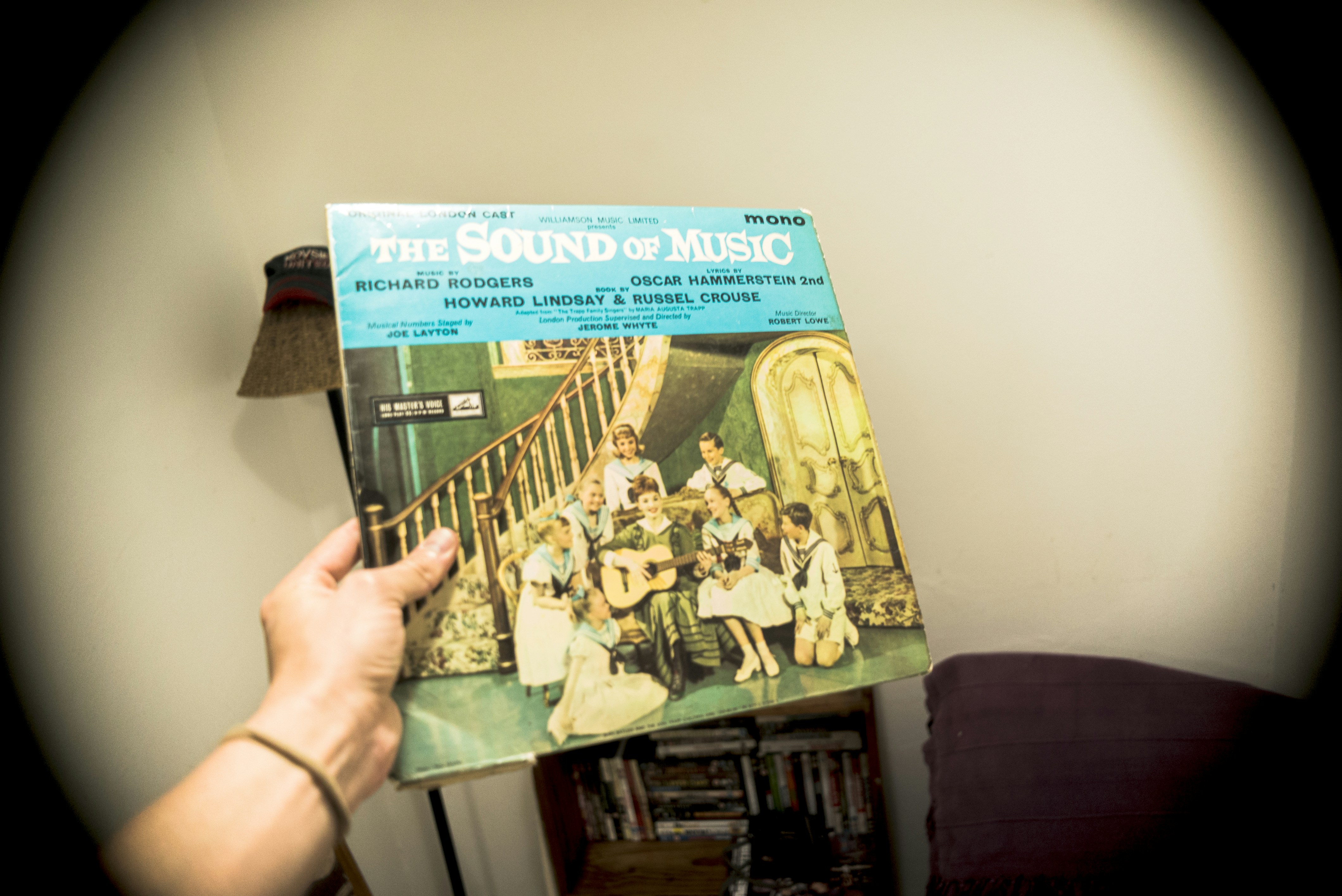
Introduction to Film Scores
Film scores play a pivotal role in the cinematic experience, serving as a crucial tool for enhancing the emotional resonance of a movie. By combining music with visual storytelling, filmmakers have the power to elicit specific feelings and reactions from the audience. The carefully composed soundtracks can elevate a scene, amplify tension, or evoke nostalgia, thereby enriching the overall narrative. This intricate relationship between film and music has evolved significantly over the years, reflecting changes in technology, audience expectations, and artistic innovation.
The importance of film scores can be traced back to the silent era, when live orchestras were employed to accompany screenings, providing context and emotional depth to the visuals. As the film industry progressed into the early talkies, the role of music further expanded. Composers began to experiment with synchronized sound, allowing for a more profound integration of music with dialogue and action. This transformation marked a crucial shift in storytelling, where scores became essential in conveying the subtext and emotional undercurrents of scenes.
Throughout the decades, iconic composers like John Williams, Ennio Morricone, and Hans Zimmer have crafted scores that not only enhance films but also have become memorable in their own right. These compositions can often stand independently from the films themselves, resonating with audiences as powerful pieces of art. In modern cinema, the influence of digital technology has allowed for even greater experimentation and creativity in score composition. Today, diverse genres and styles—from orchestral arrangements to electronic soundscapes—further illustrate the versatility and adaptability of film music. As we delve into the realm of the greatest film scores, it is essential to recognize how these soundtracks shape the audience’s experience and contribute to the storytelling that defines cinema.
The Role of a Film Score
A film score serves various essential functions, significantly contributing to the overall emotional and narrative landscape of a film. Primarily, a score is designed to set the mood and tone of a piece, immersing viewers into the cinematic experience. The instrumental compositions woven throughout the film can evoke specific emotional responses, enhancing the storytelling process. For instance, a suspenseful score can amplify tension during critical scenes, while a serene melody may accompany a poignant moment, providing depth to the characters’ experiences.
In addition to mood setting, film scores often play a pivotal role in character development. Composers frequently create unique musical themes associated with specific characters, allowing audiences to subconsciously connect music with their on-screen counterparts. This thematic representation of characters can enhance the audience’s understanding of their motivations and emotional states throughout the film. A well-crafted score serves as an auditory cue; every time a character’s theme is played, it reminds the viewer of that character’s presence and significance within the story.
It is essential to distinguish between film scores and soundtracks, as they serve different purposes. While a film score is typically an original composition created specifically for the film, a soundtrack consists of existing songs that may not have been crafted with the film in mind. Soundtracks can complement a film by introducing popular songs or artists, broadening its cultural appeal and creating a separate musical identity. In contrast, scores are integrated into the narrative fabric, working seamlessly to support the film’s emotional journey. The distinction between these elements underscores the unique impact and importance of a film score in defining the cinematic experience.
Criteria for Selecting the Greatest Scores
The selection of the 15 greatest film scores of all time is not a trivial exercise; it requires a thorough understanding of various elements that contribute to a soundtrack’s lasting impact. To pinpoint the most remarkable film scores, several criteria have been established that help to evaluate their significance in the cinematic landscape.
Firstly, cultural impact plays a pivotal role in this selection. A film score’s ability to resonate with audiences and become a recognizable piece of music beyond the film itself is crucial. This includes soundtracks that have been referenced in popular culture, performed in concerts, or recognized in awards ceremonies. The connection between the score and the public consciousness often elevates it to a timeless status.
Secondly, emotional resonance is essential in determining the effectiveness of a score. Great film compositions evoke emotions that align with the cinematic narrative, enhancing the storytelling experience. Scores that successfully meld with the visual medium, creating moments of tension, joy, or sorrow, demonstrate a high level of artistry. They not only complement the film but also linger in the minds of the audience long after the credits roll.
Additionally, innovation in composition is a critical factor. This encompasses groundbreaking techniques, the use of unique instruments, and the blending of different musical styles that revolutionize conventional scoring methods. Composers who push the boundaries of traditional film music create scores that stand out, paving the way for future artists in the industry.
Ultimately, the intersection of these criteria—cultural impact, emotional resonance, and innovation in composition—forms a robust foundation for understanding the significance of the greatest film scores. Each selected score reflects these attributes, embodying the profound connection between music and cinema that defines the medium.
The Masterpieces: A Countdown
Film scores are an integral part of cinema, elevating storytelling, enhancing emotion, and creating memorable experiences. The following is a countdown of the 15 greatest film scores that have remarkably shaped the movie-going experience.
15. “The Lion King” (1994) – Composed by Hans Zimmer, this score blends traditional African music with Disney’s hallmark style, creating an emotional tapestry that resonates with audiences of all ages. Its iconic tracks, such as “Circle of Life,” played a pivotal role in setting the film’s themes of destiny and adventure.
14. “Inception” (2010) – Hans Zimmer returns on our list with a score that is as mind-bending as the film itself. Featuring the striking “Time,” the score employs heavy brass and strings to build tension, capturing the intricacies of dreams and reality. This score has influenced countless films in its wake.
13. “Star Wars” (1977) – John Williams’ brilliant composition set the standard for film scores. The main theme alone is recognizable worldwide, encapsulating the epic space opera’s spirit. Williams’ orchestral score combines sweeping melodies with dynamic motifs that resonate deeply in both the film and beyond.
12. “Schindler’s List” (1993) – Another masterwork by John Williams, this score is hauntingly beautiful, with violin solos conveying deep sorrow and reflection. It stands as a poignant reminder of the film’s historical significance, perfectly complementing Steven Spielberg’s powerful storytelling.
11. “The Good, the Bad and the Ugly” (1966) – Ennio Morricone’s score is legendary, blending various styles and introducing themes that have become iconic in the world of cinema. The unique instrumentation and unforgettable whistling made this a defining soundtrack for the Spaghetti Western genre.
10. “The Godfather” (1972) – Nino Rota’s score is emblematic of the film’s themes of power, family, and loyalty. The main theme’s melodic qualities evoke deep emotion, making it a timeless classic in film music.
9. “Jurassic Park” (1993) – Reunited with John Williams, the score captures the awe and wonder of dinosaurs coming to life. Its grandeur enriches the cinematic experience and remains a staple of film music, inspiring countless adaptations and tributes.
8. “The Dark Knight” (2008) – The collaboration of Hans Zimmer and James Newton Howard yielded a groundbreaking score that adds to the film’s tension. The themes for Batman and Joker are essential in enhancing the psychological nuances present in Christopher Nolan’s vision.
7. “Psycho” (1960) – Bernard Herrmann’s chilling score remains fundamentally linked to Alfred Hitchcock’s thriller, with its piercing strings reflecting the film’s suspenseful nature. It has influenced countless horror scores and is recognized as a hallmark in psychological thrillers.
6. “Titanic” (1997) – James Horner’s emotionally charged score captivates through its use of motifs that delicately mirror the film’s romance and tragedy. The collaboration with Celine Dion on “My Heart Will Go On” further solidified this soundtrack’s iconic status.
5. “Star Wars: The Empire Strikes Back” (1980) – John Williams builds on his own legacy with this sequel, further enriching the musical landscape of the saga. The introduction of “Duel of the Fates” captures the intensity and complexity of its narrative.
4. “The Shape of Water” (2017) – Alexandre Desplat’s score offers a whimsical and ethereal ambiance that perfectly aligns with the film’s fairy-tale aesthetic. Its haunting melodies evoke the beauty of love transcending language and form.
3. “Amélie” (2001) – Yann Tiersen’s charming and whimsical compositions reflect the quirky narrative style of the film. Techniques including piano melodies and accordion embellishments create an atmosphere that vividly transports viewers to Paris.
2. “Gladiator” (2000) – Hans Zimmer and Lisa Gerrard combine their talents to create a powerful score that underscores the film’s themes of honor and redemption. Its epic soundscapes have inspired modern cinematic compositions across various genres.
1. “The Lord of the Rings” Trilogy (2001-2003) – Howard Shore’s masterful compositions are a monumental achievement in film music. The score’s recurring themes and orchestral arrangements capture the epic scale and emotional depth of J.R.R. Tolkien’s world, making it a benchmark for film scores in contemporary cinema.
These remarkable soundtracks not only enhanced the films they are part of but also solidified their places in the broader film music landscape, influencing future generations of composers and filmmakers alike.
Spotlight on Iconic Composers
Film scores play an essential role in storytelling, enhancing the emotional depth and atmosphere of a movie. Behind every unforgettable soundtrack lies a talented composer whose unique style and vision have redefined cinematic music. This section delves into the esteemed composers whose work has left an indelible mark on film history and contributed to the legacy of the greatest film scores.
One of the most recognized names in film music is John Williams, who has composed some of the best film scores of all time, including iconic themes for “Star Wars,” “Indiana Jones,” and “Jurassic Park.” Williams’ ability to create melodies that resonate with audiences has earned him an unparalleled number of accolades, including multiple Academy Awards. His orchestral mastery is evident in his distinctive use of motifs that evoke powerful emotions, making his soundtracks integral to the films they accompany.
Another pivotal figure in the realm of movie soundtracks is Hans Zimmer, known for his innovative approach to film composition. Zimmer’s scores, such as those for “Inception” and “The Lion King,” showcase his penchant for blending electronic elements with traditional orchestration, creating a sonic landscape that captivates audiences. His collaborations with directors like Christopher Nolan have resulted in groundbreaking soundtracks that not only underscore the narrative but often become cultural phenomena in their own right.
Ennio Morricone, who passed away in 2020, was a visionary whose work also significantly shaped the film music landscape. His eclectic compositions, including the haunting score for “The Good, the Bad and the Ugly,” demonstrate his ability to convey complex emotions through distinctive sounds. Morricone’s body of work reflects a wide array of styles, influencing countless composers and establishing a timeless legacy in cinema.
These iconic composers, along with many others, have not only created soundtracks that are unforgettable but have also pushed the boundaries of what film music can achieve, leaving an essential imprint on the art of cinema. Their contributions continue to inspire new generations and serve as a benchmark for excellence in the industry.
Cultural Impact and Legacy
The cultural impact of the greatest film scores is profound, encapsulating the essence of cinema while shaping the auditory landscape of various genres. These scores not only enhance the narrative of the films they accompany but also resonate deeply with audiences, creating emotional connections that persist long after the credits roll. Throughout cinematic history, iconic film scores have influenced a generation of composers, inspiring them to explore novel soundscapes and techniques. The grandeur of composers such as John Williams and Ennio Morricone has set a benchmark for aspiring musicians, prompting them to experiment with orchestration, thematic development, and innovative instrumentation.
Undoubtedly, the legacy of these notable soundtracks extends beyond the confines of their respective films. For instance, Morricone’s evocative compositions have transcended genres, influencing the development of contemporary music styles, including pop and electronic genres. Various elements from these scores, such as motifs and harmonic structures, have been reinterpreted in modern soundtracks and popular music, showcasing their enduring relevance. Furthermore, many of these influential film scores have fostered the emergence of sub-genres within the film industry, such as horror, where composers like Hans Zimmer have infused traditional techniques with unconventional sound manipulations to elicit fear and tension effectively.
The impact of these film scores is also evident in mass media and popular culture. Often, the melodies from these scores become synonymous with certain emotions or themes, readily recognizable even outside of their original contexts. This familiarity allows them to be utilized in various ways, from advertising to public events, continually revitalizing interest in the films they represent and engaging new audiences. Overall, the greatest film scores have not only defined cinema’s auditory experience but have also embedded themselves in the broader cultural fabric, affirming their lasting legacy in both the music world and society at large.
The Evolution of Film Scores Over the Decades
Film scores have undergone significant transformation since the inception of cinema in the early 20th century. Initially, film music was predominantly characterized by classical orchestral styles, often featuring large ensembles that enhanced the visual storytelling. Composers like Max Steiner and Erich Wolfgang Korngold pioneered this era, creating scores that became integral to the emotional impact of films. Steiner’s work on “Gone with the Wind” and Korngold’s contributions to adventure films exemplified how orchestral music could elevate the narrative, marking a foundation for film scores that has resonated through the decades.
As cinema evolved in the 1960s and 1970s, so did the compositional techniques employed by film score creators. This era saw the rise of avant-garde music techniques alongside the traditional orchestral elements. Composers such as Ennio Morricone and John Williams introduced innovative sounds that reflected the changing cultural landscape. Williams, particularly notable for his iconic scores in “Star Wars” and “Jaws,” exemplified how film scores could not only support narrative arcs but also create standalone musical experiences.
By the late 20th century, the integration of electronic elements into film scoring became prevalent. Composers began to incorporate synthesizers and digital technology, resulting in diverse musical soundscapes that appealed to contemporary audiences. Films such as “Blade Runner,” scored by Vangelis, featured haunting synths that blended seamlessly with orchestral elements, pioneering a genre that heavily influenced later soundtracks. This blend of styles has allowed modern creators to explore a multitude of genres, offering an enriched auditory experience aligned with cinematic vision.
Today, film scores encompass a vast range of styles and influences. With the growing diverse representation in music, current composers like Hans Zimmer and Ramin Djawadi employ hybrid orchestration techniques that define the modern cinematic sound. The evolution of film scores reflects not only advancements in technology but also the broadening aesthetic boundaries of cinema itself. This context is essential in understanding the greatness of the film scores that have emerged over time.
The Future of Film Scoring
The landscape of film scoring is undergoing a significant transformation, influenced by rapid technological advancements and evolving audience preferences. As new tools and techniques emerge, composers are increasingly able to create rich, multi-layered soundscapes that enhance storytelling and elevate the cinematic experience. The integration of artificial intelligence, for example, is beginning to play a role in the composition process, allowing for innovative methods of sound design and orchestration.
Moreover, the rise of digital platforms and streaming services has expanded the avenues through which film scores reach audiences. Composers now have greater access to global audiences, creating an opportunity for diverse musical influences to permeate contemporary soundtracks. As classic influences like John Williams and Hans Zimmer continue to inspire, newer voices are beginning to carve their niches in the industry. Emerging composers, such as Hildur Guðnadóttir and Ludwig Göransson, are blending traditional orchestral sounds with contemporary elements, reflecting a shift towards more eclectic and cross-genre compositions.
Additionally, the future of film scoring will likely be impacted by the growing focus on immersive storytelling. The advent of virtual reality and advanced audio technologies allows for scores that engage the audience in unprecedented ways, enhancing the emotional impact of visual narratives. This trend may result in soundtracks that adapt dynamically to viewer interactions, providing a personalized auditory experience that aligns with the film’s visuals and themes.
Looking further ahead, it is anticipated that film scores will continue to evolve in their ability to resonate with a new generation of viewers. As storytelling methods and audience engagements evolve, the role of the composer will likely expand, leading to collaborative efforts across various media. The future of film scoring is poised to reflect a rich tapestry of cultural influences and technological innovations, promising a captivating evolution of musical storytelling in cinema.
Conclusion: The Enduring Power of Film Music
Film music serves as a vital pillar in the realm of cinema, profoundly transforming the way audiences experience stories on screen. The ability of a film score to evoke emotion is unparalleled, often allowing viewers to connect deeper with the narrative and the characters’ journeys. From stirring action sequences to hauntingly beautiful melodies, film scores enhance storytelling by providing an emotional undercurrent that can be felt long after the credits roll.
Consider the greatest film scores of all time: compositions that resonate not only within the context of their movies but also in the broader landscape of music. Iconic scores, such as those by John Williams, Hans Zimmer, and Ennio Morricone, demonstrate how music shapes the viewer’s perception of a scene and adds layers to the narrative. They highlight the symbiotic relationship between the visual and auditory elements, allowing filmmakers to convey mood and atmosphere effectively. Through rhythm and harmony, composers are able to create tension, joy, or sorrow, solidifying the emotional experience of a film.
Moreover, the enduring power of film music has transcended generations, influencing not only how films are created but also how audiences interact with them. As soundtracks become more accessible through various media, today’s listeners have the opportunity to engage with these scores in ways previously unimaginable. As you reflect on your favorite cinematic moments, consider the ways that film scores have not only enhanced those experiences but have also left an indelible mark on the landscape of music. The next time you watch a film, take a moment to appreciate the subtle artistry that lies within the score—it is a vital thread in the rich tapestry of cinema.