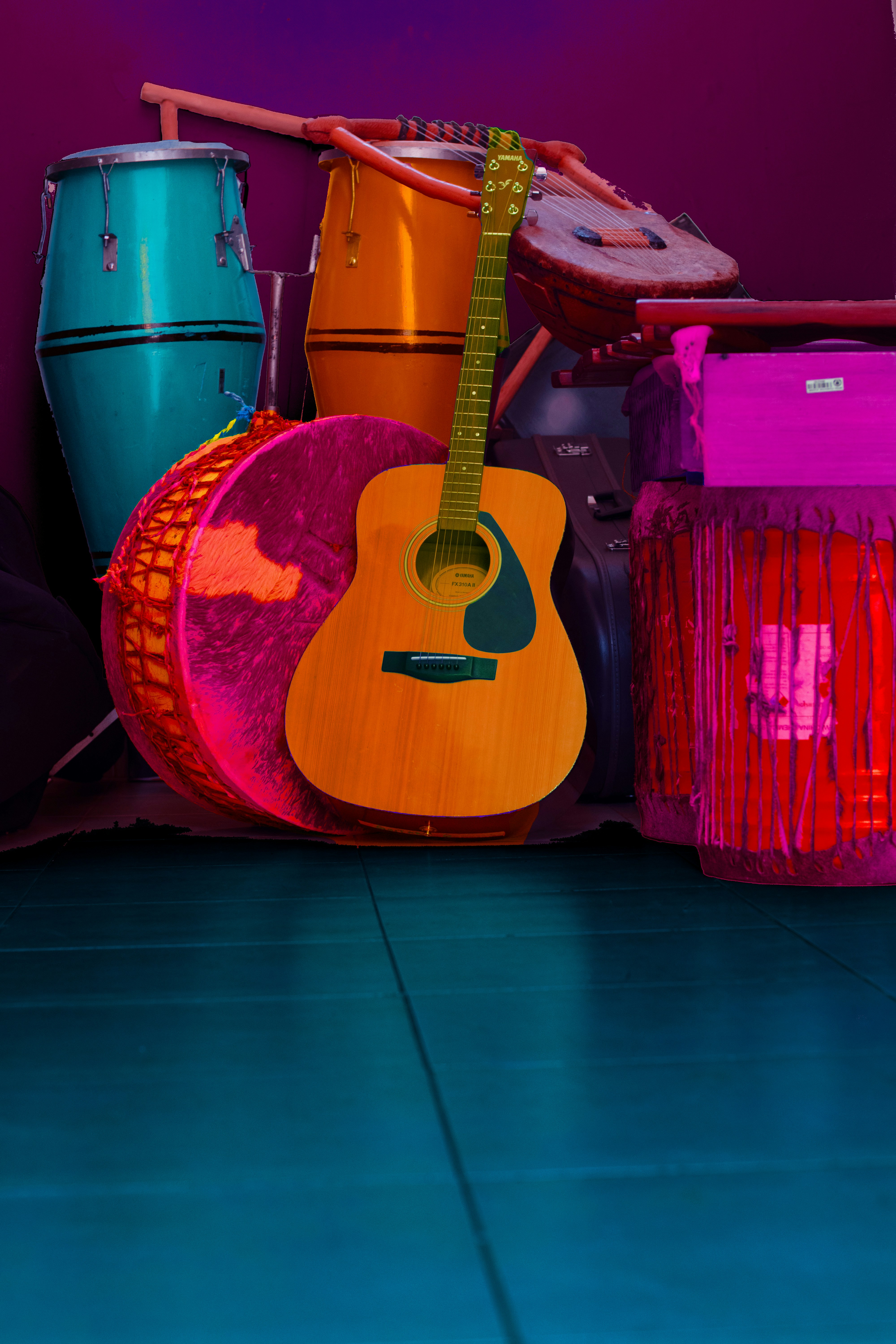
Introduction to Musical Instruments
Musical instruments are essential tools that facilitate the creation and expression of music across cultures and societies. They can be defined as any device that produces sound, which can be subsequently manipulated to create melodies, harmonies, and rhythms. The significance of musical instruments extends beyond mere sound production; they play a crucial role in cultural identity, social bonding, and personal expression. From the ancient times of simple percussion tools to modern electronic devices, musical instruments have continuously evolved, reflecting advances in technology and changes in musical styles.
The array of instruments available today spans a wide range of categories, including string, percussion, woodwind, and brass instruments, each contributing uniquely to the musical landscape. Over centuries, instruments such as the piano, guitar, and violin have garnered immense popularity and have been refined to enhance their musical output. Moreover, innovations in design and crafting techniques have resulted in an enhanced capacity for musical expression, allowing musicians to convey deep emotional narratives through their performances.
Personal preference plays a pivotal role in the choice of musical instruments, as individuals often form strong emotional connections with specific instruments. These preferences can stem from various factors, including the sound produced, the aesthetic appeal, and cultural significance. For some, the gentle strum of a guitar might evoke nostalgic memories, while others may find their voice in the robust tones of a trumpet. This emotional relationship is not only vital for individual musicians but also communities of players and listeners alike, fostering a shared appreciation for the art of music-making.
As we explore the top 10 best musical instruments in the world, it is essential to recognize their multifaceted significance. Each instrument has a unique story to tell, embodying the essence of human creativity and cultural diversity through sound.
What Makes an Instrument Great?
When evaluating the greatness of a musical instrument, several criteria come into play, each influencing the perception of its quality and suitability for various musical genres. The two primary factors are sound quality and versatility, both of which significantly impact an instrument’s appeal to musicians and listeners alike.
Sound quality refers to the tone, richness, and clarity produced by an instrument. Instruments that generate a pleasant and distinctive sound tend to resonate well with both players and audiences. For instance, a well-crafted violin produces a warm, emotive tone that is often sought after in classical music, while an electric guitar’s ability to deliver crisp, energetic riffs makes it a staple in rock and blues genres. The interplay between the materials used and the craftsmanship involved can enhance sound quality, ultimately affecting an instrument’s reputation and desirability.
Versatility is another crucial criterion. An instrument’s ability to adapt to various musical styles and genres plays a significant role in its overall greatness. Instruments such as the piano are celebrated for their capacity to perform across a wide range of pieces, from classical to contemporary music. In contrast, specific instruments may excel within narrower contexts; for example, the sitar is renowned for its unique sound in Indian classical music, yet may find less application in Western genres. As such, an instrument’s adaptability can elevate its status in the eyes of many musicians.
Moreover, playability significantly contributes to how an instrument is perceived. Instruments that are easier to handle and perform tend to attract more players, enhancing their popularity. Ultimately, the greatness of a musical instrument is subjective and can vary greatly, influenced by personal taste and the cultural context of music. Various genres can lead individuals to favor particular instruments, enriching the diverse landscape of musical expression.
Piano: The Versatile Classic
The piano, a true emblem of musical heritage, boasts a rich history that dates back to the early 18th century. Invented by Bartolomeo Cristofori in Italy, this instrument was initially known as the “gravicembalo col piano e forte,” which translates to “harpsichord with soft and loud.” Over the decades, its construction has evolved from the early wooden mechanisms to the modern grand and upright designs we see today, featuring a complex action system that allows for remarkable expressive capabilities.
Its popularity spans various musical genres, including classical, jazz, rock, and pop, making the piano a universal instrument in both educational settings and professional arenas. The piano’s impressive range, extending from deep bass notes to bright treble sounds, enables performers to express a wide array of emotions, whether in a soft lullaby or a powerful concerto. As both a solo instrument and a symphonic companion, the piano’s versatility is unparalleled.
Throughout history, many renowned pianists have left an indelible mark on the world of music. Icons such as Ludwig van Beethoven, Frédéric Chopin, and more contemporary figures like Norah Jones and Lang Lang have showcased the piano’s potential through unforgettable compositions and performances. Notable pieces such as Beethoven’s “Moonlight Sonata” and Chopin’s “Nocturnes” continue to captivate audiences, highlighting the instrument’s ability to weave intricate melodies and harmonies. The influence of the piano can also be seen in jazz standards, where its rhythmic and harmonic capabilities enrich the genre.
In conclusion, the piano stands as a timeless musical instrument that bridges genres and generations, embodying the journey of music itself. Its expressive range and adaptability ensure that it will remain a favorite among both musicians and audiences for years to come.
Violin: The Heart of Classical Music
The violin, often regarded as the quintessential string instrument, holds a distinguished place in the realm of classical music. Its unparalleled ability to convey emotion has made it a central figure within both orchestral ensembles and solo performances. Within an orchestra, the violin section typically comprises two groups: first violins and second violins. The first violins often carry the melody, while the second violins help to enrich the harmonic textures. This division allows for a dynamic interplay that enhances the overall musical piece.
Mastering the violin requires rigorous practice and a deep understanding of technique. Violinists must develop skills such as precise finger placement, bowing techniques, and the ability to produce a clear, resonant tone. The learning curve can be steep, as players must also navigate complex fingerings and musical notations. Additionally, factors such as the choice of instrument, the quality of the bow, and even the type of strings can significantly alter the instrument’s sound and playability. The rich tonal qualities of the violin can evoke a wide array of emotions, ranging from joy to melancholy, making it an ideal vehicle for expressive music.
Throughout history, renowned composers have harnessed the capabilities of the violin to create timeless works. Notable figures such as Antonio Vivaldi and Johann Sebastian Bach composed masterpieces highlighting the violin’s versatility and emotive power. Their compositions showcase the instrument’s potential, weaving intricate melodies that have captivated audiences for centuries. Additionally, famous violinists like Itzhak Perlman and Hilary Hahn continue to inspire new generations, showcasing exceptional technique and artistry in their performances. The emotional depth that the violin brings to both orchestral and solo contexts solidifies its standing as one of the top musical instruments in the world, resonating deeply with both performers and listeners alike.
Guitar: The Strumming Favorite
The guitar is recognized worldwide as one of the most versatile and popular musical instruments. Its evolution spans centuries, with early forms tracing back to the lute in the Middle Ages. The classical guitar, characterized by its nylon strings and fingerstyle playing, provides a foundation for numerous musical genres. Over time, it has transitioned into various forms, including the electric guitar, which became a staple in the mid-20th century, revolutionizing modern music.
The guitar’s influence can be seen predominantly in genres such as rock, folk, and blues, where its expressive tone and range of dynamics allow for a wide array of musical expression. Whether played softly in an intimate acoustic setting or cranked up in a full band configuration, the guitar’s adaptability lends itself well to various musical contexts. Notable artists like Jimi Hendrix in rock, Bob Dylan in folk, and B.B. King in blues exemplify how the instrument can convey rich emotional narratives, making it an indispensable part of their musical storytelling.
This instrument also excels in its ability to accompany vocals, making it a favorite amongst singer-songwriters. A simple chord progression can support complex lyrical themes, fostering personal expression and connection with audiences. Songs like “Wonderwall” by Oasis and “Hallelujah” by Leonard Cohen showcase how a well-played guitar can elevate a song beyond its lyrics, drawing listeners into a narrative woven through melody and harmony.
In summation, the guitar stands out not only for its rich history but also for its central role in countless musical traditions. Its significant impact is evident through generations of talented guitarists who have shaped the soundscape of modern music. As such, it rightly earns its place among the top 10 best musical instruments in the world.
Drums: The Rhythm Backbone
Drums occupy a vital position in the musical landscape, serving as the backbone of rhythm across an array of genres. The diversity of drums extends to various types, including percussion instruments such as the snare, bass, tom-tom, and cymbals. Each type contributes uniquely to the overall sound of a musical ensemble. For instance, the bass drum, typically played with a pedal, provides a deep, resonant beat that anchors the music, while the snare drum delivers sharp, crisp accents that enhance the groove.
Within the community of musicians, drummers play a special role not only as rhythm keepers but also as collaborators who bring a lively energy to performances. The physicality of drumming demands both strength and coordination, often requiring rigorous practice and dedication. As drummers engage in physically intensive activities, they develop a deep connection with their instruments, translating their emotional expression through each beat. This connection is essential in genres such as rock, jazz, and world music, where the drummer serves to unify the band’s sound and enhance the audience’s experience.
Notable drummers have made lasting impacts on music history. Artists such as Buddy Rich, Neil Peart, and Sheila E. have transcended their roles as rhythm players to become influential figures in their respective genres. Their unique styles and techniques have inspired countless musicians to explore the drum kit further. Additionally, the community aspect of drumming is evident in band settings where teamwork and synergy yield compelling live performances. As drummers contribute to the band’s dynamics, they foster a sense of camaraderie that elevates the collective musical experience.
5. Flute: The Melodic Wind Instrument
The flute stands out as a captivating melodic wind instrument that has carved its niche in a variety of musical genres, encompassing classical, jazz, and folk traditions. Renowned for its bright and airy sound, the flute produces a sweet, lyrical quality that sets it apart from other instruments in the wind family. Unlike brass instruments, which create sound through the vibration of lips, the flute generates sound by blowing air across an opening, resulting in a unique timbre that resonates beautifully across different styles of music.
In classical music, the flute captivates audiences with its expressive range and agility. Composers such as Mozart and Bach have utilized its enchanting qualities, crafting intricate passages that showcase the flute’s ability to convey deep emotional resonance. Its role in orchestras often involves melodic development and harmony, making it an integral part of larger compositions. The instrument’s versatility extends to jazz as well, where it has evolved as a significant voice through improvisation. Iconic jazz flutists like Herbie Mann and Hubert Laws have pushed the boundaries of the instrument, blending traditional techniques with contemporary styles to create a rich tapestry of sound.
Folk music also embraces the flute, highlighting its ability to narrate stories and evoke cultural expressions. It has found a place in various folk traditions around the world, from the bansuri in India to the tin whistle in Irish music. These regional variations showcase not only the adaptability of the flute but also its deep-rooted connections to humanity and tradition.
Flute playing is both an art and a skill, requiring breath control, finger dexterity, and a good ear. Influential flutists such as Jean-Pierre Rampal and James Galway have contributed significantly to elevating the flute’s status in the music world, inspiring countless musicians to explore its possibilities. Overall, the flute remains a beloved instrument, continually influencing the musical landscape across genres and cultures.
Saxophone: The Voice of Jazz
The saxophone, invented by Adolphe Sax in the 1840s, has become one of the most iconic instruments in the realm of jazz music. Renowned for its rich tones and versatility, the saxophone plays a pivotal role in both jazz ensembles and solo performances. This woodwind instrument comes in various types, including the soprano, alto, tenor, and baritone saxophones, each offering its own unique vocal qualities and tonal ranges that cater to different musical styles and preferences.
Playing the saxophone requires a nuanced approach, as the expression of emotion is intricately woven into its sound. Musicians must master techniques such as breath control, embouchure, and fingering to effectively convey feelings ranging from heartfelt melodies to vibrant improvisations. Jazz saxophonists often utilize techniques like growling and flutter tonguing to further enhance their expressive capabilities, allowing them to explore the full emotional spectrum within a performance. This capacity for personal expression is one reason why the saxophone has become synonymous with jazz.
The influence of legendary saxophonists has helped shape the evolution of music over the decades. Figures such as Charlie Parker, John Coltrane, and Sonny Rollins have not only elevated the saxophone within jazz but have also inspired countless musicians across other genres. Their innovative approaches and distinct styles continue to resonate with new generations of artists, underscoring the saxophone’s vital role in both musical history and its ongoing legacy.
The versatility of the saxophone allows it to transcend jazz, making it a cherished instrument in classical, pop, and even rock music. As it continues to evolve, the saxophone remains an enduring symbol of musical expression, truly embodying the voice of jazz and beyond.
7. Trumpet: Reigning in Brass
The trumpet, one of the oldest known brass instruments, has a distinct and vibrant sound that has captivated audiences across various musical genres. Its bright tones make it a staple in jazz, classical music, and brass bands, showcasing its versatility and appeal. The trumpet’s ability to project sound makes it an excellent choice for both solo performances and orchestral settings. It typically features a flared bell and three valves, allowing musicians to create a wide range of pitches and tonal colors.
In jazz music, the trumpet often takes the lead, delivering intricate melodies and improvisations that have defined the genre. Legendary musicians such as Louis Armstrong, Miles Davis, and Dizzy Gillespie have profoundly influenced jazz with their innovative trumpet techniques and styles. Armstrong, in particular, is recognized for his charismatic playing and distinctive voice, which transformed the trumpet into a primary instrument in jazz ensembles. Likewise, Miles Davis introduced modal jazz through his groundbreaking approach, demonstrating the trumpet’s potential for exploration and expression.
In classical music, the trumpet’s role varies from orchestral inclusion to solo performances. Renowned composers, including Haydn and Hummel, have written concertos specifically for the trumpet, highlighting its brilliance and expressive range. The instrument’s unique timbre complements orchestral arrangements, providing a contrasting brightness against strings and woodwinds. Additionally, brass bands exploit the trumpet’s lively characteristics, often leading with strong melodic lines that energize their performances.
To master the trumpet, musicians must develop effective breath control and embouchure techniques. The ability to adjust facial muscle tension directly influences sound quality and pitch accuracy. Practicing long tones and scales can enhance a player’s control and range, laying the foundation for more complex pieces. The trumpet is not only an instrument of expression but also a gateway to musical history and cultural expression across multiple genres.
Harp: The Enchanting String Instrument
The harp, often described as one of the most ethereal string instruments, holds a prominent place in the realm of music. Its soothing tones and enchanting melodies have captivated audiences for centuries, making it a significant presence in various cultures around the globe. From the ancient civilizations of Mesopotamia to modern orchestras, the harp’s unique sound and versatility have ensured its lasting popularity.
There are several types of harps, each with its distinct characteristics and sound. The most commonly recognized type is the concert harp, notable for its large size and ornate design. It features 47 strings and a range of over six octaves, making it capable of producing a wide array of musical expressions. In contrast, the folk harp, often smaller and more portable, is used in traditional music around the world. Additionally, there are specific regional variations, such as the Celtic harp and the Paraguayan harp, each contributing to the rich tapestry of harp music available today.
In orchestral settings, the harp plays a crucial role, often lending a sense of elegance to the overall sound. Its ability to blend seamlessly with other instruments while standing out in solos makes it an essential member of the orchestra. Famous composers, including Debussy and Handel, have highlighted the harp in their works, showcasing its potential to evoke emotions and create atmosphere, from serene to dramatic.
The techniques employed by harpists are intricate and essential for producing the beautiful melodies characteristic of this instrument. From plucking the strings with precision to employing techniques like glissando and arpeggio, skilled harpists masterfully navigate the instrument’s complexities. This finesse allows them to interpret a wide range of musical styles, making the harp a versatile and cherished instrument in the world of music.
Conclusion: The Harmony of Musical Diversity
Throughout this exploration of the top ten best musical instruments in the world, we have navigated the rich tapestry of sounds, traditions, and cultural significances that these instruments embody. From the string vibrations of the violin to the rhythmic beats of the drum, each instrument not only contributes to the diverse world of music but also carries its own unique history and emotional resonance. This diversity highlights the beauty of music as a universal language, with each instrument serving as a distinct voice within the symphony of human expression.
The instruments discussed are not merely tools for creating sound; they are extensions of the individuals who play them. Each musician finds a unique connection with their chosen instrument, which enables them to convey personal stories, emotions, and cultural narratives. Selecting the right musical instrument is an essential step in the journey of musical expression, as it can significantly influence how one connects with music, both as a performer and a listener.
In addition to personal expression, the instruments explored reflect a global heritage, showcasing how different cultures utilize various techniques and styles to enhance their musical experiences. This global mosaic not only enriches our understanding of music but also fosters appreciation for the cultural contexts from which each instrument originates. Such a celebration of musical diversity reaffirms the notion that music is a vital element of human existence, transcending boundaries and connecting people from all walks of life.
In conclusion, whether one aspires to strum a guitar, blow into a flute, or beat a tambourine, the essence of music lies in its variety and the profound connections it creates. Embracing this diversity allows us to appreciate not just the sounds we create, but also the stories we share through our musical journeys.